
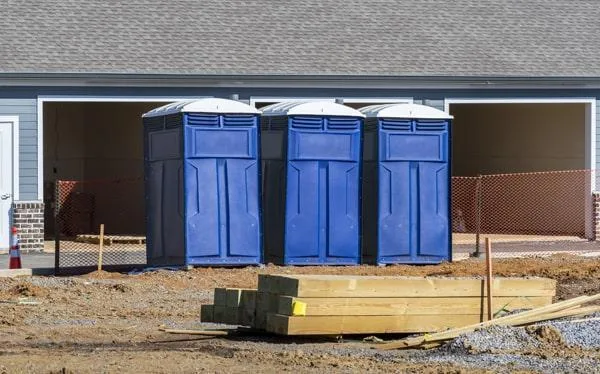
Choose a position around the work, not leftover space
Identify the active work areas, worker routes and existing permitted bathrooms. Review standard cabins, washing and accessible options against the actual crew needs. Keep the toilet approach distinct from loading and vehicle operations.
Have the site contact and provider examine the proposed position. The ground, entrance and service route matter through repeated visits, not only during the first delivery. This planning discussion does not replace the responsible employer’s workplace assessment.
Make access changes visible to the provider
Assign a contact who knows when fences, materials or machinery will change the route. Tell the supplier before service access is affected and arrange any proposed relocation. Do not leave an old map as the only instruction once the site has moved on.
If the usual supervisor is absent, an alternate should know the accepted location, visit arrangements and reporting process. Keep access details in the private order record rather than public project copy.
Review the service arrangement as use changes
Crew overlap, longer shifts or a new work area may change demand. Ask how equipment or care can be adjusted and what needs a revised proposal. Cleaning, tank service and consumable replenishment should be stated, not inferred from a construction label.
At closeout, check which trades still need toilets, confirm the removal request and protect the vehicle route until collection. A planned completion date is a forecast; the equipment order needs its own agreed finish.
Questions before you book
What changes should we report?
Report changes to users, duration, location, entrance or service access. Explain them before relying on the original arrangement.
Can a subcontractor move the toilet to another work area?
Arrange any move with the provider and responsible site contact so placement and servicing can be reviewed.