
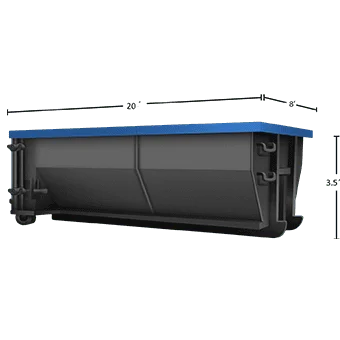
Define the material and the people loading it
Describe what the project will generate and identify heavy items, bulky contents and uncertain materials separately. Ask the provider what can be accepted. Liquids, chemical containers and unknown waste should not enter the load while the answer remains unresolved.
If several people will help, give them the same loading instructions. A container on the property is not permission for unrestricted disposal. Keep restroom waste and wastewater out of the solid-waste enquiry; those involve different services.
Choose a position that survives the cleanup
Identify the property owner’s permitted location and explain the truck approach, ground and overhead obstacles. Consider what space the loading activity needs, not just where the container will stand.
Keep access to occupied buildings and temporary restrooms clear. If a public street or other shared space is proposed, review the placement with the relevant authority and supplier rather than relying on a general claim that no permission is needed.
Agree the final load and collection process
Ask the quote to identify accepted contents, loading limits, rental period, disposal allowance, transport and circumstances that may add cost. A light bulky load and dense material can need different arrangements even when they occupy similar space.
Confirm how pickup is requested and who can keep the site accessible. If the cleanup exposes additional material or takes longer, seek a revised arrangement before loading outside the agreed scope or assuming extra days are included.
Questions before you book
What if we find unknown containers during the cleanup?
Keep them separate and ask about appropriate handling before placing them in the dumpster.
Can the helper crew decide what fits?
They should follow the provider’s accepted-material and loading directions, not judge acceptance from empty space.