
Establish what the unit will replace or supplement
Describe the bathroom gap: no fixed facilities, temporary loss of a building bathroom or an activity taking place beyond the usable facilities. Tell the provider which existing toilets remain available and to whom. That distinction can change the equipment discussion more than the size of the property.
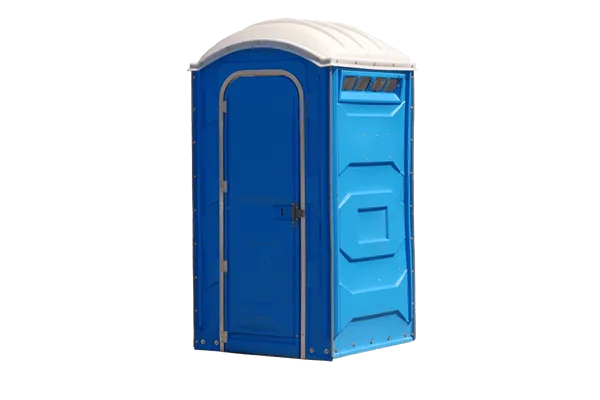
A standard cabin holds waste in a tank for service rather than connecting to the building sewer. Confirm the offered model’s actual fittings and supplies. If flushing, accessible use or an internal sink matters, make that a separate requirement.
Pair the cabin with washing and care
Ask whether a separate washing station is needed and how water, soap, drying supplies and used water will be handled. Do not treat sanitizer and soap-and-water washing as the same equipment function.
Cleaning, pumping and restocking should have an agreed scope. Explain when use is likely to peak and who can notice a shortage or defect between visits. A short hire is not a reason to leave the reporting contact undefined.
Keep the location useful until pickup
The position must work for users as well as the supplier’s vehicle. Describe the entrance, surface, obstacles and available space without guessing a universal clearance measurement. The provider should review any uncertain access against the actual equipment.
Include setup workers and final cleanup in the period needing facilities. Confirm collection arrangements and keep access open until removal; do not assume the end of the guest event automatically ends the need or schedules pickup.
Questions before you book
Is a basic cabin enough for every user?
No single category settles every need. Discuss accessible use, washing and any additional features against the people and property involved.
Does it need the building sewer?
A standard self-contained cabin retains waste for provider service. Confirm any different arrangement for the offered model.